

For World Menopause Day this year, the International Menopause Society launched a campaign to raise awareness on the effects of hormones on cardiovascular health in women. Specifically, they highlighted the potential cardiovascular disease (CVD) risk associated with various reproductive milestones in a woman’s life. These milestones include menstrual cyclicity, adverse pregnancy outcomes, breast cancer treatments, and menopause itself. This is such an important topic in the sphere of women’s health, and something that I review with my patients regularly. Let’s dive into the details shall we!
Read moreCyclical Progesterone Therapy for Heavy Menstrual Periods in Perimenopause - By Dr. Meghan van Drimmelen, ND
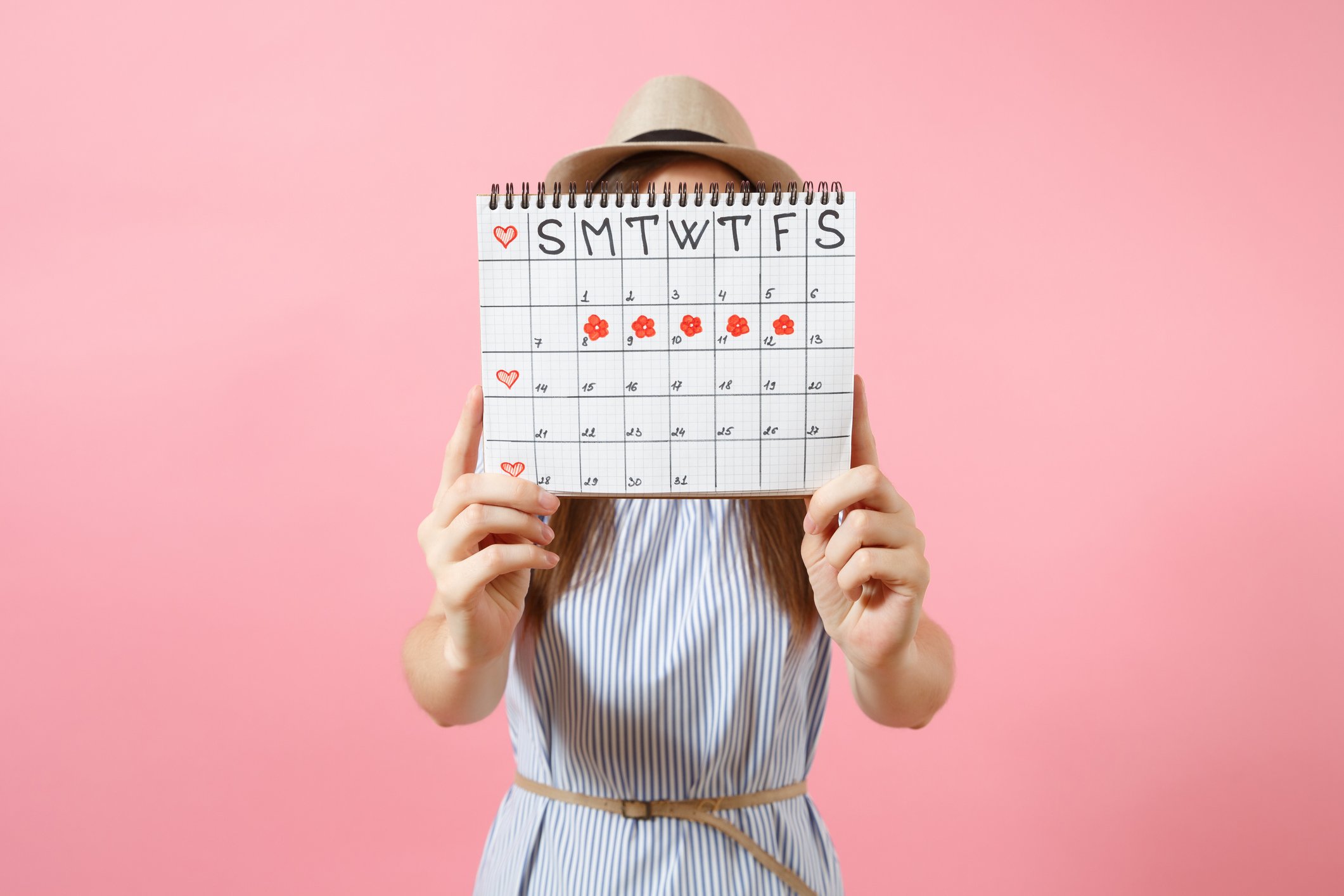
Heavy menstrual bleeding in is one of the most common perimenopausal concerns we see in naturopathic practice. In this article, we will explore the use of cyclical progesterone therapy as an effective option for managing heavy menstrual periods in perimenopause.
Read moreThe Fertility Benefits of Inositol in Women with PCOS - By Dr. Meghan van Drimmelen, ND

Polycystic ovary syndrome (PCOS) is a hormonal disorder that affects many women of reproductive age. In this blog article, Dr. Meghan van Drimmelen reviews how inositol naturally works in the body, and the evidence to support its use for improving fertility outcomes in women with PCOS.
Read moreUnderstanding the Benefits & Risks of Menopausal Hormone Therapy - By Dr. Meghan van Drimmelen, ND

If you are considering hormone replacement therapy for the management of your menopausal symptoms, it’s important to know the benefits and risks. Learn all the details here!
Read moreContraindications to Hormone Replacement Therapy - By Dr. Meghan van Drimmelen, ND

While HRT remains the most effective treatment for vasomotor symptoms (VMS) and the genitourinary syndrome of menopause, it is important to be aware of the contraindications for this therapy. Women who have contraindications for HRT may still benefit from other therapies, such as non-hormonal treatments for VMS or low-dose vaginal estrogen therapy for genitourinary syndrome of menopause.
Read more3 Nutrients Worth Testing for Fertility - By Dr. Meghan van Drimmelen, ND

When you see a naturopathic doctor for preconception and fertility support, you will be offered a laboratory panel that looks at baseline hormone and nutrient levels. This blog article is going to review the top 3 nutrients worth testing for your reproductive success.
Read moreFoundational Fertility Supplements for the Preconception Period - By Dr. Meghan van Drimmelen, ND
Preparing your body for a healthy pregnancy starts in the preconception period, 3 months prior to conception. This is the time when the oocytes are maturing, and are particularly vulnerable to nutritional and environmental stressors. During the preconception period, naturopathic doctors recommend targeted lifestyle enhancements and fertility supplements to help improve your reproductive success.
Read moreDiet & Lifestyle Recommendations for Optimal Fertility - By Dr. Meghan van Drimmelen ND

The old saying goes, we are what we eat, but does this apply to fertility? Do diet and lifestyle changes really impact fertility outcomes? Learn more in Dr. Meghan van Drimmelen’s newest blog article…
Read moreRoutine Health Screening in Naturopathic Practice - Dr. Meghan van Drimmelen, ND
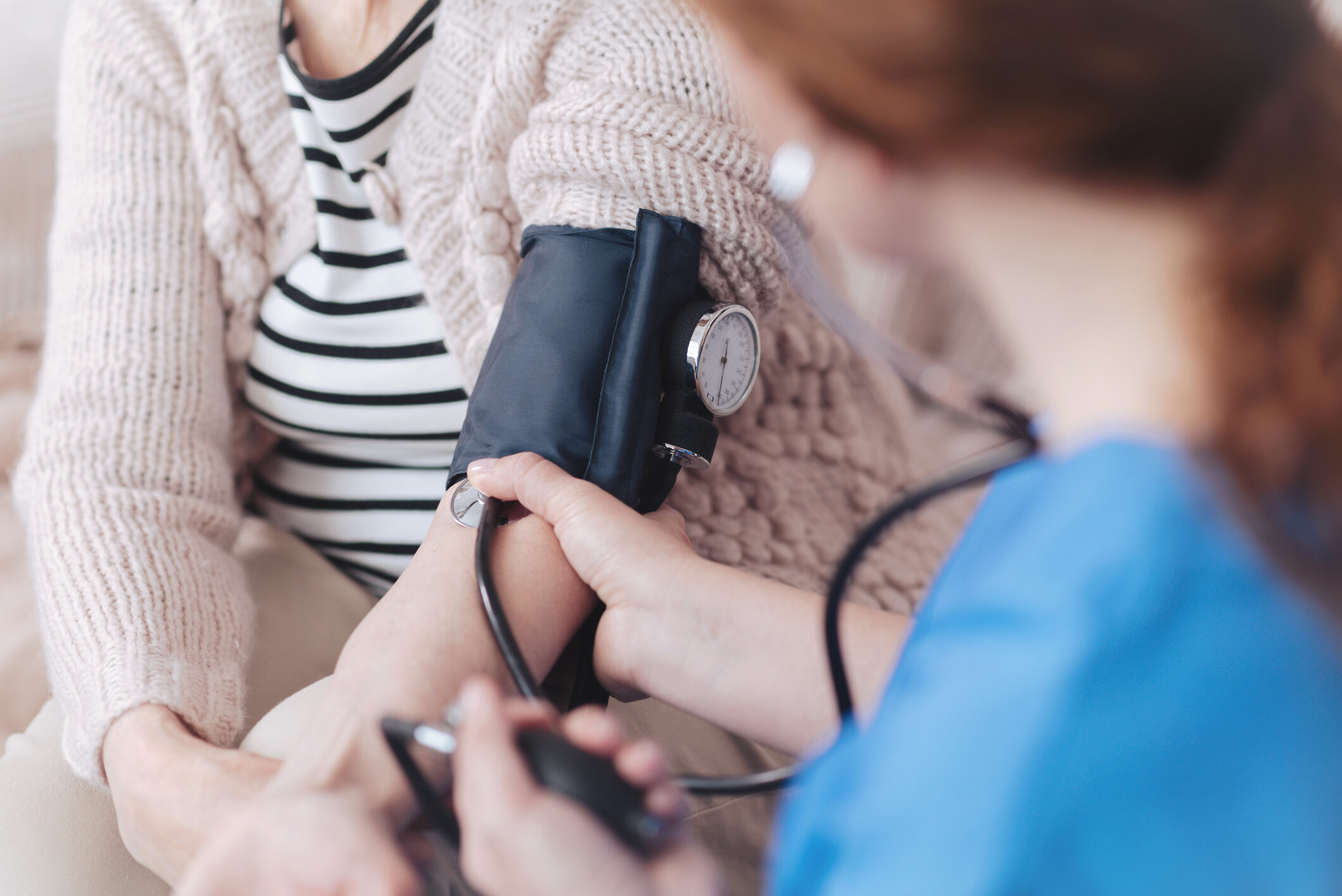
Naturopathic doctors are strong advocates of preventative healthcare. Screening tests are considered secondary prevention, meaning they help identify health conditions early on so you and your family can benefit most from treatment. There are a variety of routine health screening tests and tools that are recommended by health care providers. These tests and checkups are recommended based on your age and stage of life. Learn what common screening tests are recommended in naturopathic practice in Dr. Meghan van Drimmelen’s newest blog article (…)
Read moreGetting to Know Your Menstrual Cycle: Emergency Contraception - By Dr. Chelsea Cole, ND
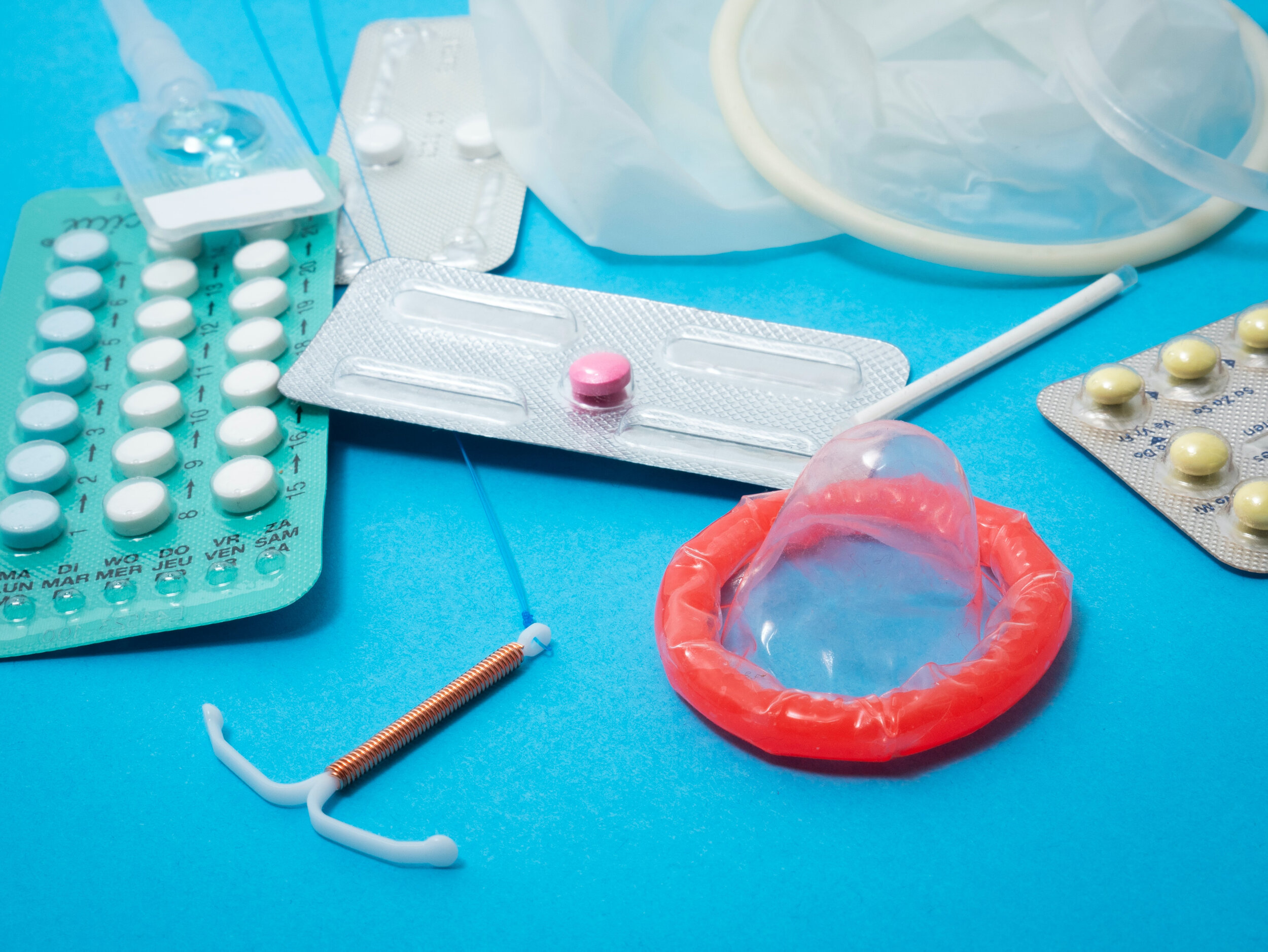
Understanding contraception, including emergency contraception, is an important part of sexual wellbeing. Learn more about your options in Dr. Chelsea Cole’s newest blog article (…)
Read moreJuniper News & Health Resources - Fall Edition

Juniper news, fall nutrition and recipe inspiration, World Menopause Month, and more (…)
Read moreGetting to Know Your Menstrual Cycle: Ovulation - By Dr Chelsea Cole, ND

Learn why ovulation is important beyond fertility, common causes of anovulation, and how you can determine whether or not you are ovulating (…)
Read moreTargeting the Gut to Improve Mental Health - By Dr. Meghan Dougan, ND

Learn all about the connection between mental health and gut health in Dr. Meghan Dougan’s newest blog article (…)
Read moreGetting to Know Your Menstrual Cycle: Mood, Hormones, and Menstruation - By Dr. Chelsea Cole, ND

Learn all about why mood changes occurr during the mesntrual cycle in Dr. Chelsea Cole’s newest blog article (…)
Read more#StayAtHome Survival Kit

We hope this blog post finds you and your loved ones safe and healthy. Many of you may be feeling stressed, anxious, overwhelmed, and lonely. It’s our goal here at Juniper Family Health to continue supporting your overall wellbeing, including mental health, especially during these difficult times. In this article we will be sharing a variety of tools and strategies to support your wellbeing at this time. We hope you find these tips valuable as we all continue to navigate through this pandemic together (…)
Read moreGetting to Know Your Menstrual Cycle: The 3 Phases - By Dr. Chelsea Cole, ND

Learn all about the 3 phases of the menstrual cycle and what hormones govern them, in Dr. Chelsea Cole’s newest blog article (…)
Read moreNaturopathic Approaches to Healthy Sleep - Dr. Meghan Dougan, ND
Do you have issues falling or staying asleep? Dr. Meghan Dougan, ND discusses common causes of sleep disturbances in her newest video blog (…)
Read moreFood Allergy? - Learn the difference between lactose intolerance, milk allergy, and dairy sensitivity - Dr. Carla Cashin, ND

It’s common in naturopathic practice to help patients uncover food reactions. One of the most common food reactions is lactose intolerance. Learn all about the difference between lactose intolerance, dairy allergy and dairy sensitivity in Dr. Carla Cashin’s newest blog article (…)
Read moreHow To Reduce Toxin Exposure To Support Hormone Health - Dr. Courtenay Boer, ND

It’s no secret that our environment can affect our health. Factors are diverse, from the quality of the air we breathe, to the food we eat, to the clothes we wear and beyond. Environmental toxins are ubiquitous in our world and they have significant consequences for health and hormones. Many of these toxins have been found to have endocrine-disrupting properties, so we label them as endocrine-disrupting chemicals or EDCs. Some of these EDCs have been identified as xenoestrogens, which means they are exogenous (environmental) chemical compounds that mimic estrogen in the body and can modulate estrogenic activity (…)
Read moreGetting to Know Your Menstrual Cycle: Infrequent or Absent Cycles - Dr. Chelsea Cole, ND

While menstruating can be a difficult, and sometimes inconvenient, monthly experience, it is still concerning when a menstrual cycle is missed. Outside of pregnancy, perimenopause/menopause, or some hormonal intrauterine devices (IUD), it is not normal to have infrequent or absent menstrual cycles. Learn all about underlying causes, and laboratory testing for irregular or absent menstrual cycles in Dr. Chelsea Cole’s newest blog article (…)
Read more